







Search Results for: Oil Extraction
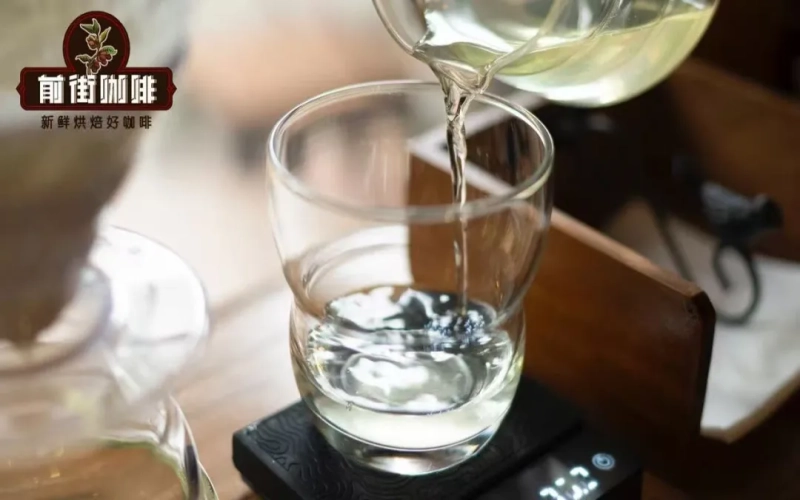
Analysis of the Oil-Washed Coffee Technique: From Principle to Practice, How Butter and Coconut Oil Reshape Coffee Flavor
The oil-washing method originated in the cocktail world and has now been introduced into the specialty coffee scene, becoming a new favorite among many coffee enthusiasts. It exploits differences in the freezing points of oils and fats to extract aromas from the oils into the coffee liquid, thereby giving the coffee a softer mouthfeel and richer layers of flavor. In this article, Front Street will walk through the origins of the oil-washing method, material selection, step-by-step procedures, and precautions one by one, and will use butter oil-washed Golden Mandheling and coconut oil-washed cold brew coffee as examples to demonstrate the specific production process in detail. Whether you want to DIY at home or want to understand the logic behind those oil-washed specialty drinks in coffee shops, this article can provide practical reference. [more…]
Why Do Dark Roasts Need Longer Resting? Analyzing the Impact of CO₂ Release and Oil Migration on Espresso Extraction
Many coffee enthusiasts wonder: dark-roasted beans have a loose texture, so logically the rest period should be shorter—why does it actually require more time? This article approaches the question from two angles, carbon dioxide release and oil emergence, to explain the fundamental reason why the resting period for dark-roasted espresso beans is extended. Excess carbon dioxide interferes with stable extraction on an espresso machine, affecting crema quality and troubleshooting costs; whereas medium-dark roasted beans gradually release oil during storage, which can improve crema stability and coffee body. Front Street Coffee recommends resting medium-dark roasted espresso beans for about 10 days, with darker roasts extended depending on their condition. It also reminds readers that too much oil accelerates oxidation, so attention should be paid to sealed storage and timely consumption. [more…]
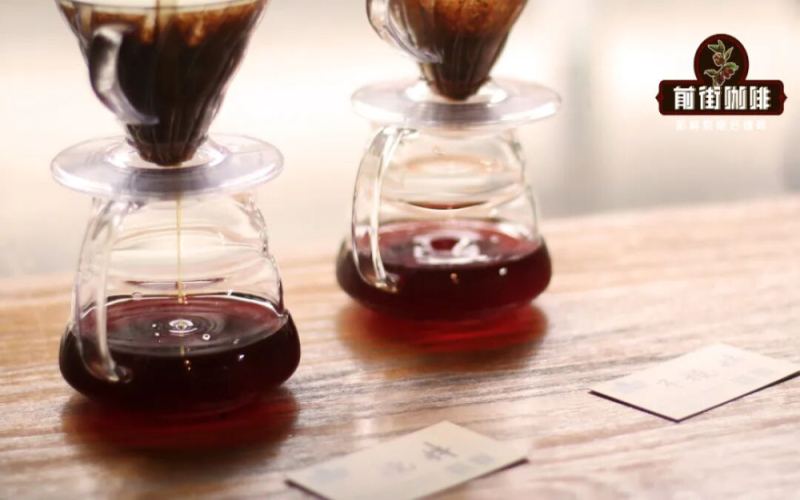
Where Do Cold Brew Coffee Oil and Fine Particle Residue Come From? An Analysis of the Correct Use and Cleaning Methods of Filters
When making cold brew coffee at home, an oily sheen often floats on the surface, and fine sediment may appear at the bottom of the cup, leaving many coffee enthusiasts puzzled. What exactly are these floating substances? Is the coffee spoiled, or is the equipment unclean? In fact, this is closely related to the slow release of water-soluble fats from coffee beans at low temperatures. This article, drawing on Front Street Coffee's practical experience, analyzes the causes of cold brew oils, explains how the differences in mesh sizes of various filtering devices affect coffee flavor, and shares how to use secondary filtration with paper filters and refrigeration settling to make cold brew's juicy feel fuller and its acidity clearer. At the same time, regular deep cleaning of equipment is equally crucial to avoid the accumulation of condensed oil residue that produces a rancid odor. [more…]

Is the Crema of espresso actually oil? Unraveling the mystery of real and fake coffee crema and its essential causes
The layer of golden, dense foam on the surface of espresso is often called "crema" and hailed as the soul of espresso. But have you ever considered that this layer of "crema" is not actually real oil? Recently, Front Street Coffee came across online discussions about "real vs. fake crema," which sparked curiosity among many coffee enthusiasts. This article will start from the essential composition of crema, explain why it is mistranslated as oil, analyze how pressurized extraction and coffee bean characteristics together create this emulsified foam, and further clarify the difference between "real oil" and "fake oil." Whether you are a beginner just starting out or a seasoned connoisseur wanting to understand the principles of espresso more deeply, you will find clear answers here. [more…]
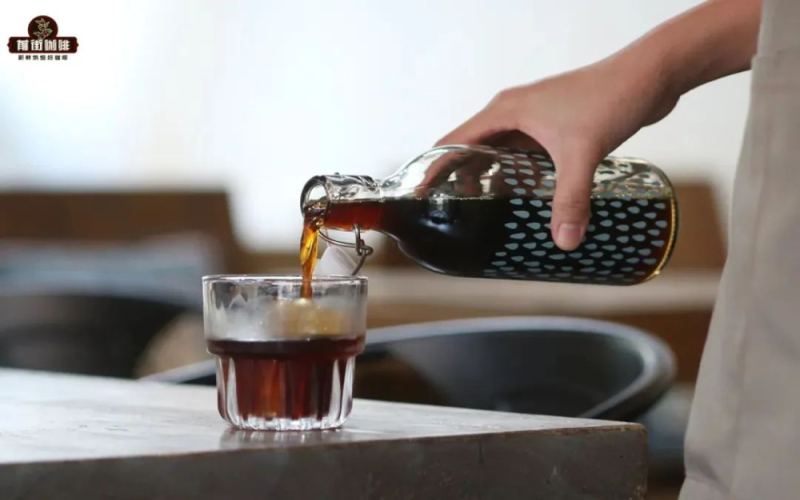
Where Does the Oil Film on Cold Brew Coffee Come From? A Full Breakdown of Low-Temperature Extraction Principles and Filtration Techniques
Cold brew coffee, with its advantages of simple operation and low cost, has become the go-to choice at home for many coffee enthusiasts. All you need is an airtight container and a low-temperature environment, and after several hours of steeping, you get a full-flavored iced coffee drink. However, many people discover during the process that a layer of oil often floats on the surface of the cold brew liquid, and can't help but wonder whether it has spoiled or the equipment is unclean. Where exactly does this layer of oil come from? And how should it be handled to achieve a clearer taste? This article will provide a detailed explanation of the extraction principles of cold brew, the phenomenon of oil condensation, the selection of filtration equipment, and ways to optimize the drinking experience, while also recommending several coffee beans suitable for making cold brew, helping you easily make a clean, translucent, and outstandingly flavorful cup of cold brew coffee at home. [more…]
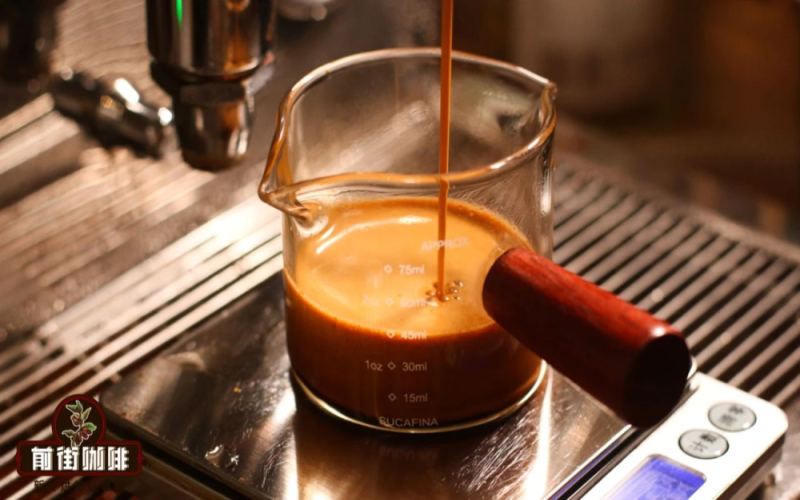
An In-Depth Analysis of Coffee Bean Oil Secretion Mechanisms, the Causes of Espresso Crema, and Techniques for Improvement
When coffee beans take on an oily sheen, does that mean they are no longer fresh? And why is the golden, dense foam on top of an espresso sometimes thin or even missing? These two common questions actually point to the same core issue—the roast level of coffee beans and the release of carbon dioxide. This article will take a deep dive into the science behind oil appearing on dark-roasted beans, explaining that the amount of oil is unrelated to quality and depends more on roast depth and varietal differences. It will also systematically explain the criteria for judging crema on the surface of espresso, its visual and taste value, and key factors from bean selection, roast level, and peak-flavor window to extraction equipment and parameters, helping you consistently achieve a rich, thick crema. The article also recommends two Front Street Coffee espresso blends, for reference whether you are opening a shop or brewing at home. [more…]
What Causes the Oil Film on Cold Brew Coffee? A Detailed Explanation of Low-Temperature Extraction Principles and Filtration Techniques
Cold brew coffee, with its advantages of simple operation and low cost, has become the preferred way for many coffee enthusiasts to make iced drinks at home. However, many people find in practice that a layer of oil slick unexpectedly floats on the surface of a finished pot of cold brew, and they can't help worrying that the coffee has gone bad or the container was not cleaned properly. Where exactly does this layer of oil come from? In fact, its cause is completely different from that of the Crema on the surface of espresso. This article will focus on the low-temperature extraction principle of cold brew, explain the phenomenon of oil condensation, and share the complete operational details from filter selection to secondary filtration, helping you make a cup of cold brew coffee with a clear mouthfeel and full flavor. [more…]
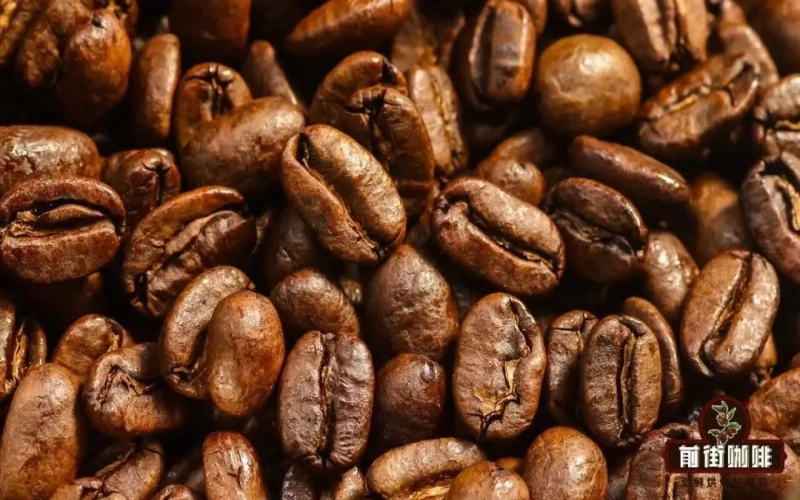
Why Is Crema So Hard to Find in Pour-Over Coffee? The Differences Between Paper, Non-Woven, and Flannel Filters and How to Adjust Extraction
Many coffee enthusiasts notice during pour-over brewing that almost no oils are visible on the surface of the coffee, which is related to the strong interception capability of paper filters. The oils themselves are rich in oil-soluble aromatic compounds that can enhance the body and finish of the coffee. If you want to retain more oils in pour-over brewing, you can switch to non-woven fabric, flannel, or metal mesh filters, but you need to adjust the grind size or water temperature accordingly to avoid under-extraction. This article uses Front Street Boundary Line Geisha as an example to share the brewing parameters and specific steps for non-woven paper filters, and compares the flavor differences with regular paper filters, helping you brew a richer, fuller-bodied pour-over coffee at home. [more…]

Cold Brew Coffee | What Factors Affect the Taste of Cold Brew? What Is the Layer of Oil on Top of Cold Brew? Why Does Oil Appear in Cold Brew?
Experienced folks know that many factors affect the taste of cold brew coffee. Among them, the most influential are the choice of coffee beans, grind size, coffee-to-water ratio, and steeping time; next are some small brewing techniques, such as thorough stirring, ensuring the container is clean, water quality, and so on. These will more or less change the co [more…]

Is the Crema of espresso really oil? Uncovering the misconceptions and truths behind it
Many people, upon first seeing the golden, velvety layer of foam on the surface of an espresso, instinctively assume it is the coffee's oils, and even use it as a criterion for judging the quality of an espresso. But did you know? This substance, called Crema, is not actually oil in the true sense, but a "visual illusion" made up of countless tiny bubbles. Today, Front Street Coffee will play the role of a Sherlock Holmes in the coffee world, guiding you step by step to uncover the various misconceptions about Crema, to see who it really "deceives," and why it causes so many people to misjudge. If you are also curious about this golden foam on espresso, why not follow along and read on. [more…]
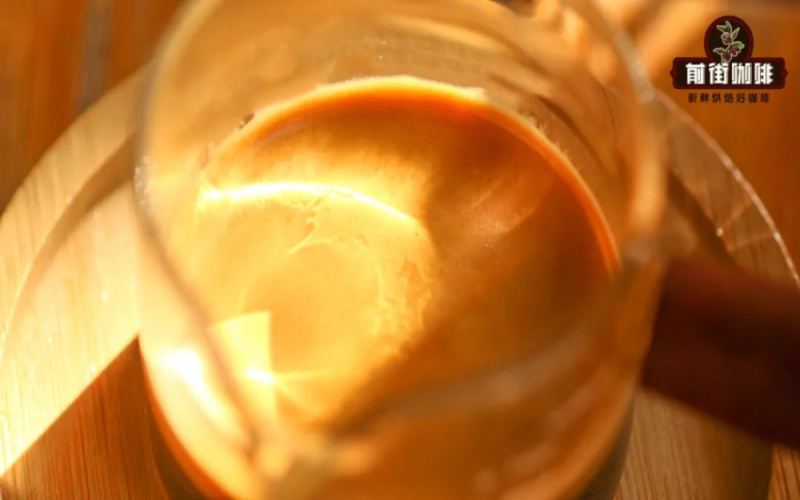
The Golden Foam of Espresso: Should It Be Called Crema or "Oil"? Can Thickness Determine Coffee Quality?
That golden foam on the surface of espresso—is it actually Crema or "oil"? There's an interesting misunderstanding behind this name. Many people believe that the thicker the oil, the better the coffee tastes, but is that really true? This article starts with the origin of the name, walks you through the original meaning of Crema, and analyzes one by one the key factors that affect the thickness of the oil—roast level, bean freshness, and coffee variety. Front Street Coffee will use plain language to help you clarify the relationship between oil and espresso flavor, so you'll no longer be misled by the saying "thick oil = good coffee," and truly understand the role this layer of foam plays in coffee. [more…]

Where Does Espresso Crema Come From? Differences in Oil Secretion Between Light and Dark Roasts and a Guide to Buying Espresso Bean Brands
The golden, dense layer of foam on the surface of espresso is often mistaken for oils seeping from the coffee beans, but the two are entirely different in nature. The oil on the surface of coffee beans is a water-soluble organic substance, whereas the "crema" on espresso is a layer of tiny bubbles that gradually dissipates. Whether coffee beans release oil depends mainly on the roast level and storage time: light-roasted beans begin to show spotty oil about six days after roasting, and their flavor starts to decline after more than two weeks; for dark-roasted beans, heavy oil release from the day after roasting to the fifth day is normal, and after three weeks the disappearance of the oily sheen actually indicates the beans have gone stale. Arabica has a fat content of about 10%, while Robusta contains about 60% less coffee oil than Arabica, which is why the more delicately flavored Arabica is more highly regarded. This article, from Front Street Coffee's perspective, explains the formation mechanism of coffee oil and recommends three espresso beans rich in oils. [more…]
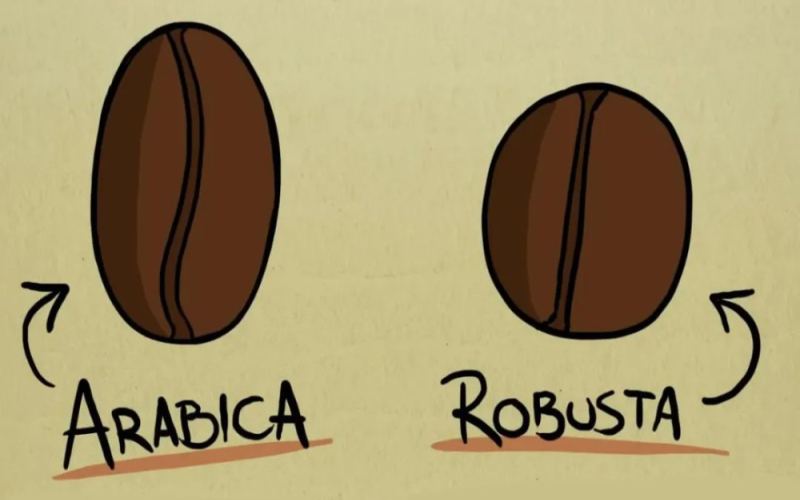
What determines the oil content of coffee beans? The difference between Robusta and Arabica and Front Street Coffee blend recommendations
When discussing coffee beans, oil content is often used to judge a bean's characteristics and uses. Overall, Robusta usually has higher oil content than Arabica, but Robusta has a flatter flavor and lacks character, and it also has a higher caffeine content. It is highly resistant to pests and diseases, suitable for low-altitude cultivation, has high yields, and is not demanding about rainfall, so its price is relatively low. If Robusta is used directly in espresso, it brings a strong and harsh taste, so it is better suited to being paired with high-quality Arabica, which both balances the flavor and boosts the oil. When choosing coffee beans with rich oil, Front Street Coffee Classic Blend and Front Street Coffee Commercial Blend are both ideal choices. They add a small amount of Robusta, making the body of espresso more outstanding, releasing butter, nut, spice, and dark chocolate aromas during extraction, and are suitable for making Americano or latte. If you prefer pure Arabica, Front Street Coffee Specialty Blend and Front Street Coffee Dark Cocoa Base Blend provide delicate golden oil and a smooth mouthfeel. [more…]
Espresso Bean Buying Guide: Understanding the Oil Sheen Phenomenon and Traditional Espresso Tasting Methods
Espresso beans and pour-over beans serve different purposes. Espresso beans are specifically designed for the high-temperature, high-pressure extraction environment of espresso machines, and typically use multi-origin blends to maintain consistent output. This article will start with the definition of espresso beans, answer the common question of whether oily coffee beans are normal, and introduce the correct steps for tasting traditional espresso. At the same time, drawing on Front Street Coffee's roasting experience, it offers enthusiasts in need of espresso a few bean recommendations that combine flavor and value for money, covering medium-dark roasted SOE and commercial blend options. [more…]
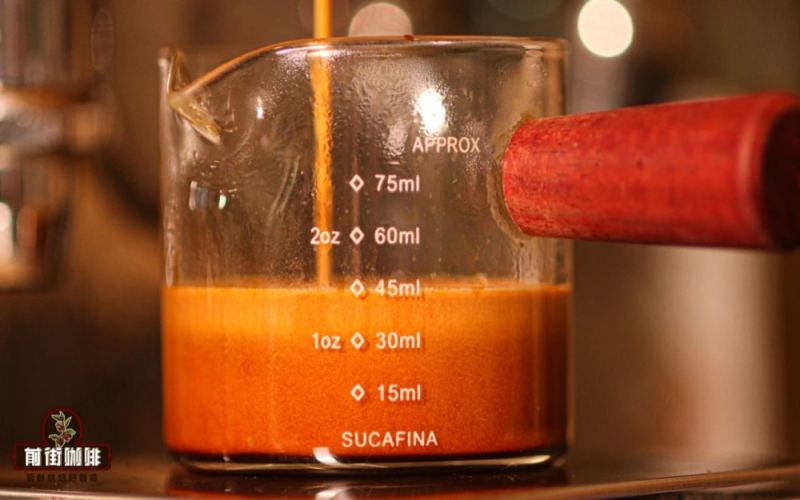
Coffee Crema | Does more crema in espresso mean better coffee bean quality? Recommended high-value specialty coffee beans with rich crema for moka pots and espresso machines
Some people believe that oils are an indispensable part of coffee flavor, but they also express concern about the health risks posed by these coffee oils. Today, Front Street Coffee is here to give everyone a proper explanation of what the crema in espresso actually is, and whether it has any impact on our health. Is "coffee beans with more oil" really good [more…]

What is the golden crema on the surface of espresso? A comprehensive analysis from formation mechanism to extraction assessment
That golden layer of crema on the surface of an espresso, called Crema in Italian, is neither an artificially added fat nor simply coffee oil. This delicate foam is made of coffee's insoluble fats wrapping around carbon dioxide, and can only be extracted by an espresso machine under high pressure. This article will start from the principles of how crema forms, explain how to achieve ideal crema performance, and teach you to judge the extraction state of an Espresso by observing the thickness, color, texture, and fluidity of the crema, so as to solve common extraction problems. The article also retains Front Street brand's recommendations for bean selection and blending products. [more…]
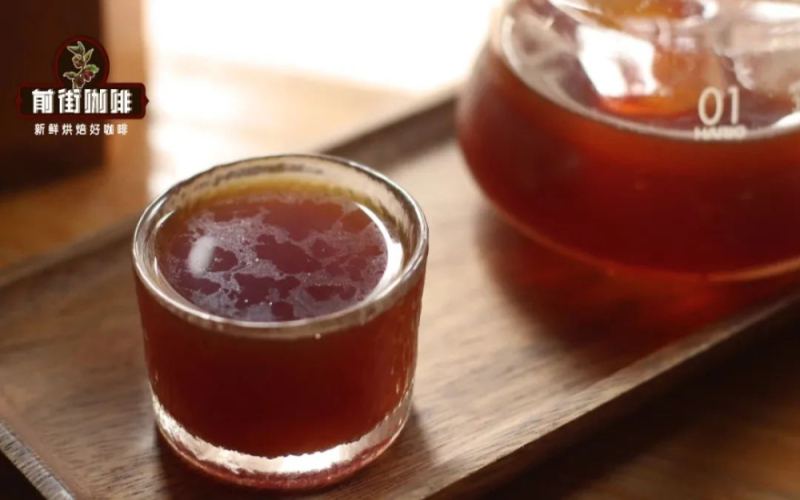
What exactly is the oil that appears when pour-over, cold brew, and siphon coffee cool down? Analyzing the source of the oily sheen on coffee's surface from the phenomenon of condensation
Many coffee enthusiasts notice, when tasting pour-over, cold brew, or siphon coffee, that a faint layer of "oil" surfaces as the coffee cools. This is not a sign of spoilage, nor an external impurity, but rather an oily component that coffee itself contains—one that only becomes visible to the naked eye under specific conditions. To understand this phenomenon, we need to start with the composition of Crema, that golden foam atop espresso—it is formed by coffee bean oils wrapping around carbon dioxide. And the key driver that turns oils from "invisible" to "visible" is condensation. This article explains the principle of condensation and how differences in the performance of filtration devices affect the degree of oil seepage, helping readers make sense of this sheen of oil that emerges after cooling. [more…]
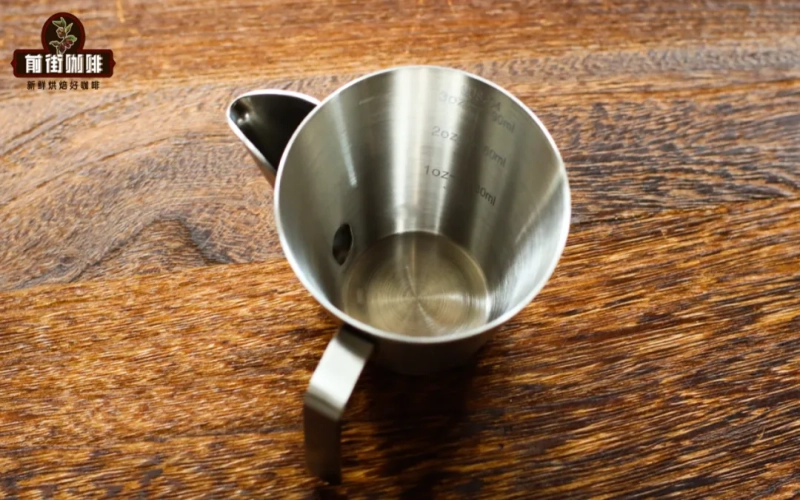
Espresso Filter Basket Test: Where Does Crema's Bitterness Come From, and How Does the Flavor Change After Filtration?
In recent years, a coffee cup with a filtering function has appeared in the coffee world. Its shape closely resembles an everyday oil filter, and it is specifically designed to separate the golden foam on the surface of espresso—Crema. After filtering out this layer of oil, the coffee tastes cleaner and the bitterness is somewhat reduced. But does the bitterness really come from the oil itself? Front Street will sort out the composition of Crema from the beginning, explain the coffee fines that truly bring bitterness, analyze the pros and cons of the oil-filtering cup, and offer alternatives that preserve the aroma of the oil while improving clarity. The article will also recommend Front Street Classic Blend and Front Street Commercial Blend coffee beans, which are suitable for extracting beautiful crema. [more…]
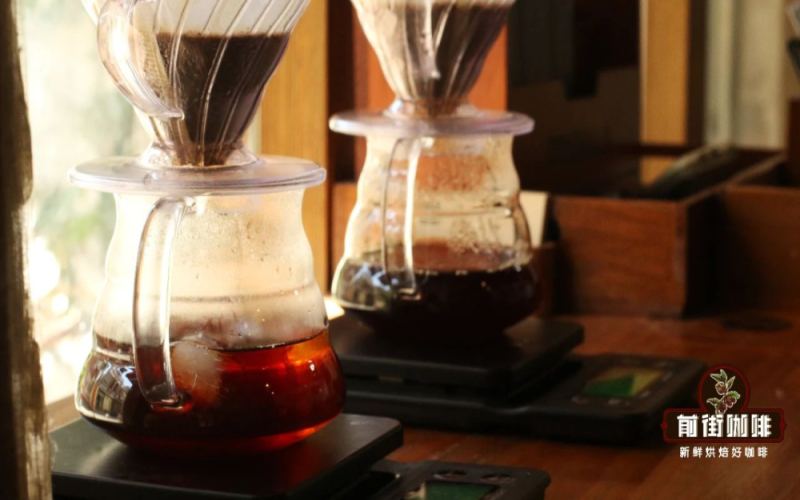
French Press Usage Tips | How Many Coffee Beans to Use for French Press Coffee? How Much Coffee Grounds to Put in a French Press? Does French Press Coffee Have a Lot of Oil?
Coffee is becoming more and more popular, and there are all kinds of brewing methods. However, when you're busy, you might feel you don't have time for a pour-over, and even an espresso seems to take too long. In that case, using a lazy person's pot to make a cup of coffee might be a pretty good choice! French press coffee and pour-over coffee [more…]

Where Does the Crema on Espresso Come From? A Detailed Explanation of Its Composition and Tips for Extracting a Rich Crema
The golden-yellow oil layer on the surface of espresso, known as Crema, is an important reference for many coffee enthusiasts when judging the quality of an espresso. But what substances actually make up this "oil" layer? Why is some espresso crema thick and long-lasting, while other crema is thin and dissipates easily? This article will start from the compositional nature of crema, trace the evolution of espresso machines, and analyze one by one the effects of coffee bean variety, origin, roast level, freshness, as well as extraction pressure and coffee-to-water ratio on crema performance. At the same time, combined with Front Street Coffee's espresso blend recommendations, it provides practical advice for achieving thick crema in both home and cafe settings, helping you understand and master the extraction logic of espresso more systematically. [more…]